Tumblers come in a lot of sizes, and the sizing question gets more interesting the more you look at it. Most buying guides just list options from 12oz to 40oz and call it a day. What they don’t cover is why the size matters for specific situations — and why buying the wrong size for a use case results in a product people stop using.
Here’s how I’d break it down by actual use case, based on what functions well in each context rather than what’s most popular on the market right now.
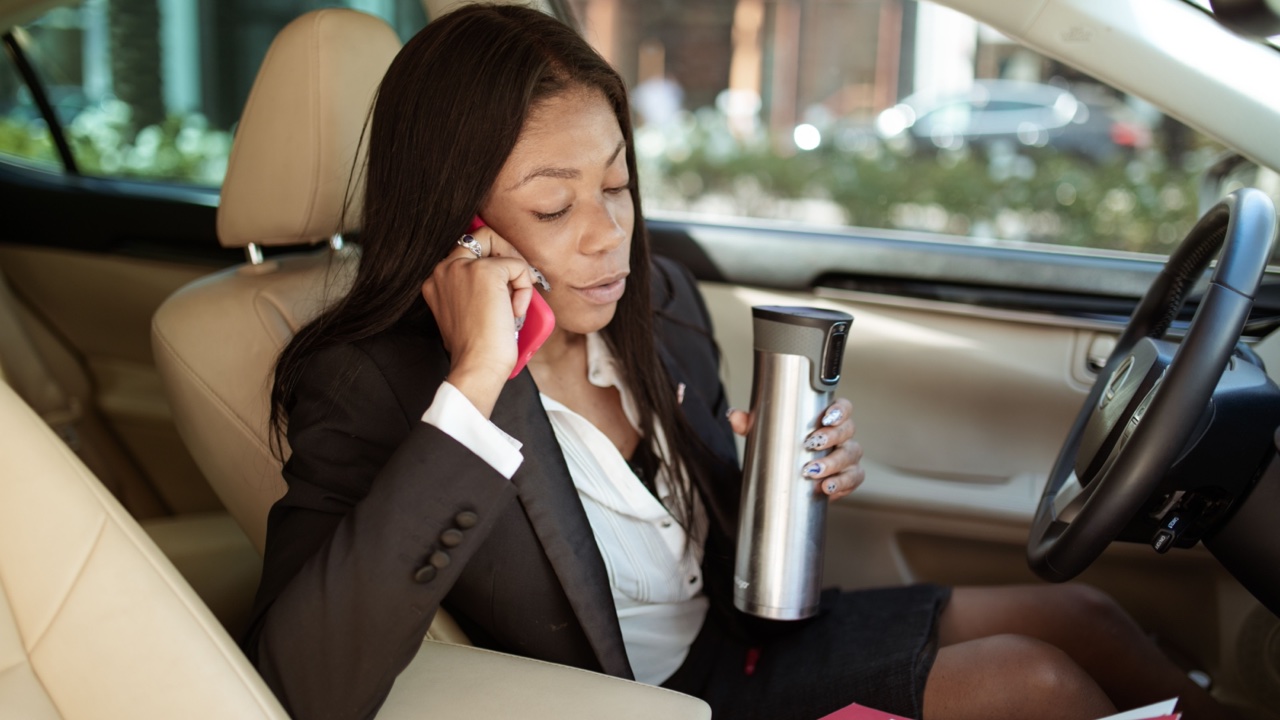
Morning Commute Coffee: 14–16oz
This is the most common tumbler use case, and the one where most people over-buy on capacity.
A standard coffee drink — a large latte, a double americano, a full mug of drip — is 12 to 16oz. That’s what most people make at home or order at a café. A 20oz tumbler for a 14oz drink just means two inches of empty space that adds weight and bulk without adding beverage.
The 14oz size is underrated for commute coffee specifically because it’s narrow enough to fit most car cup holders, light enough not to feel heavy in hand when you’re also carrying a bag, and sized to finish one drink rather than invite refills you probably won’t have time for. If your commute is a drive or a transit ride and you’re drinking one coffee, 14-16oz is almost always the right call.
Where 20oz makes sense for commute coffee is if you’re someone who genuinely makes large drinks — a 20oz cold brew, an oversized travel mug — or if you want the option to top up at your office. Otherwise, the extra size is mostly inconvenience.
Desk Hydration: 20–24oz
At a desk, the goal is usually to have something you can sip from throughout a few hours without needing to refill constantly, without it getting warm, and without it dominating the desk surface.
The 20oz range is the standard answer here. It’s enough for a couple of hours of regular sipping, the dimensions are desk-friendly, and it doesn’t require you to carry something heavy when you do refill it. Double-wall insulation keeps water cold for the duration of a working block without you needing to add ice every hour.
Where I’ve seen 24oz work better: if you have a tendency to forget to drink and want something that covers a longer period, or if you’re in a warm environment where you’re going through water faster. But for most desk situations, 20oz is the functional sweet spot.
One thing worth noting: a tumbler with a lid is significantly better than an open cup at a desk because of the spill risk near keyboards and documents. This sounds obvious, but a lot of desk hydration happens with open cups that regularly end up causing problems.
Gym and Training: 24–32oz
Exercise hydration has different requirements from commute or desk use. You’re sweating, you’re drinking in larger gulps rather than sips, and you may be going for a longer session.
For a typical gym session — an hour of lifting, a 45-minute class — 24oz gets most people through without a refill if they’re drinking at a normal rate. If you’re doing endurance training, longer sessions, or training in a hot environment, 32oz gives you more buffer.
The practical consideration for gym use is also width and handle design. A tumbler that’s too wide to grip easily when your hands are sweaty, or that doesn’t have a handle or sleeve for grip, becomes harder to use precisely when you want to drink quickly between sets. A narrower profile with good grip surface is worth prioritizing over maximum capacity for this use case.
Straw lids are genuinely useful for gym use because they let you drink without tipping the container, which matters when you’re moving between equipment or don’t want to interrupt a workout to deal with a lid.
Outdoor Activities: 32–40oz
Hiking, camping, cycling, beach days — any context where you’re away from a reliable water source for several hours changes the calculation. Here, capacity is genuinely the priority, because running out of water in the middle of a trail is a real problem rather than a minor inconvenience.
The 32oz size handles most day hikes and casual outdoor activities. For longer or more demanding situations — full-day hikes, backcountry camping, extended cycling — 40oz gives you real security.
For outdoor use, the other relevant spec is whether the tumbler can handle being banged around. A powder coat finish that chips on the first rocky surface is a problem. A lid that pops open in a pack is a bigger problem. Durability and lid security matter more here than for desk or commute use, and are worth verifying specifically if you’re sourcing for an outdoor-oriented customer base.
Wide-mouth lids are often preferred for outdoor use because they make it easier to add ice, clean out residue from sports drinks or flavored beverages, and pour into a separate cup at camp.
Corporate Gifts and Branded Merchandise: 20oz Standard, 30oz for Premium
For corporate gifting programs and branded merchandise, the 20oz tumbler is the industry standard because it’s the versatile middle ground — usable for coffee, desk water, casual outdoor use — that works for the widest range of recipients.
The 30oz range has been gaining ground as a premium tier, driven partly by the popularity of larger daily hydration habits. A 30oz tumbler with a handle reads as a more substantial gift than a standard 20oz, photographs well, and has enough presence on a desk to be noticed. The cost difference is real but often worth it for higher-value gifting contexts.
For corporate programs, consistency across a run matters. The color should be identical across all units, the logo placement should be consistent, and the finish should hold up through whatever the recipient’s daily routine looks like. A tumbler that’s perfect in the first unit and inconsistent in units 50-200 creates a problem when those units are distributed at an event.
Working with a reliable source for wholesale stainless steel tumbler programs means being able to specify tolerances, request batch samples, and have enough production visibility to catch consistency issues before distribution rather than after.
Café and Restaurant Use: 12–16oz
Reusable cups for café environments — where a customer brings their own cup for a discount or where a café sells branded cups — have a different optimization than personal-use tumblers.
The size needs to match common drink sizes. Most espresso-based drinks in café contexts are 8-16oz. A customer who brings a 40oz tumbler to a café is creating an operational problem for the barista and getting a drink that’s swimming in the container. The 12-16oz range covers the full range of standard café drinks.
For café-branded cups sold in the café itself, the design also needs to work on a shelf display. A narrow 12oz tumbler with a clean single-color finish photographs well and looks intentional on a shelf. Overloaded designs or awkward proportions reduce the retail appeal even if the product functions fine.
The Sizing Question in Bulk Purchasing
When sourcing for a specific audience rather than yourself, the question to answer first is what the primary use case is. A corporate tech company buying for remote employees has a different answer than a sports club buying for athletes than a café buying for branded merchandise sales.
Getting the size right for the actual use case is what separates a product people genuinely use from one that ends up in a drawer. And a product that gets used is one that builds brand visibility. One that doesn’t is just cost.