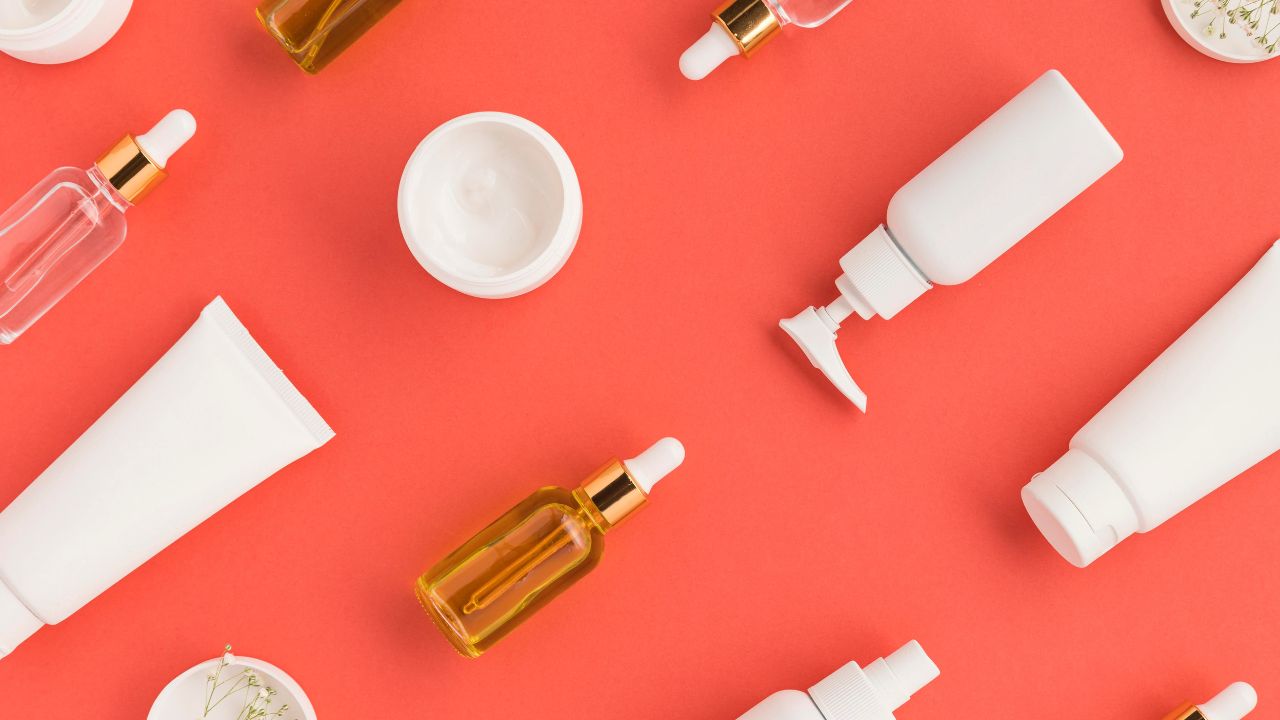
To have a cosmetic packaging project with a factory in China, it is necessary to plan it well, communicate with the other person, and be aware of the manufacturing process, as well as cultural differences. China also has some of the most sophisticated cosmetic packaging plants in the world, which provide a host of services, including injection molding to one-day prototyping. But a successful project planning, helping to organize an idea into an end product, is more than choosing a manufacturer; it is a process that should be planned in a way that would be able to guarantee quality, production time, and even correspondence to brand expectations. A reliable cosmetic packaging factory in China can help brands turn their product ideas into high-quality, market-ready packaging.
Establish Clear Objectives and Requirements
The initial stage in the management of a cosmetic packaging project is setting clear goals and requirements. The brands are expected to specify the type of product, target market, the material of packaging, volume, and preferred look. Disclosing specifications in detail with drawings, design inspirations and functional requirements assists the factory in knowing the scope of the project and minimizes the chances of errors. Clear communication on the quality standards, testing standards and regulatory compliance should also be done early to prevent misunderstandings that may lead to tardiness in production.
Choose the Right Factory Partner
To have a smooth project, it is vital to select an appropriate factory. A Chinese cosmetic packaging manufacturing company ought to possess pertinent experience in the production of bottles, jars, tubes, and pumps of skincare, haircare, and color cosmetics. These certifications, including ISO 9001, ISO 14001, and BSCI, show that the factory is of high quality in terms of quality management, environmental responsibility and the manner of practicing labor. Factories that have developed a good reputation for delivering projects to foreign brands may be in a better position to deal with complicated requirements and offer technical advice.
Monitor Prototyping and Sampling Closely
Any cosmetic packaging venture must have prototyping and sampling. Brands can test the design, ergonomics and functionality of the packaging by reviewing 3D renders, soft-tool samples, or short-run production samples, before investing resources in full-scale production. Close supervision at this stage will be taken to make sure that the dimensions, closures or materials required to be made are adjusted earlier in the process to eliminate the chances of making costly errors later in the process. The use of factories that can quickly prototype and provide a flexible sampling schedule is a great benefit in maintaining the project schedule.
Oversee Production and Quality Control
After design, the production and quality control have to be overseen. To ensure this, a good factory must have stringent inspection measures taken at every stage, such as checking of raw material, sampling of the in-process and checking of the final product in terms of leaks, torque and durability. Brands may also ask for regular updates on the progress of production and (when possible) perform on-site audits or engage third-party auditors to check compliance. Ensuring that the completed packaging is of brand quality and will not require any delay due to the necessity to re-do or reject the entire batch is an active control procedure.
Plan Logistics and Delivery in Advance
Another important aspect of project management is good logistics planning. Shipment scheduling, documentation in the customs and warehouse delivery are coordinated so that the packaging can arrive on time and in good condition. Collaborating with factories that offer clear deliveries and communicate about possible delays is an efficient method of managing supply chains and lowering the risk of delays disrupting product launches among brands.
Build a Long-Term Relationship
Lastly, the successful management of a cosmetic packaging project will presuppose establishing a long-term collaboration with the factory. Brands that invest in learning the factory processes, provide constructive feedback and have mutual trust find the projects easier in the future. A collaborative relationship enables both to be adventurous, efficient, and responsive to the market-changing needs in a better way.
Conclusion
It is necessary to plan, communicate, and observe all the steps to organize a cosmetic packaging project with a factory in China. Defining objectives for prototyping, production, and logistics, critical management will provide assurance that the end packaging is of quality, meets requirements and brand expectations of the regulations. Through the selection of the appropriate factory partner, keeping the communication open, and promoting the commitment to the collaborative relationship, the beauty brands can attain a successful packaging launch and reinforce their position in the competitive markets.